Integrated Amenity Systems for High-Rise Buildings
Amenity System Authorship
Amenity environments are among the most technically and experientially complex systems in contemporary buildings. They combine water systems, thermal environments, landscape, structure, and mechanical infrastructure within tightly constrained architectural conditions.
These environments are typically delivered through multiple independent specialists. The most difficult challenges rarely occur within individual rooms. They occur at interfaces where systems meet and environmental conditions shift.
In ecological terms, this zone is called the ecotone.
Ecotone operates in this condition.
Ecotone provides spatial and system authorship for integrated amenity environments, aligning experience, specialty expertise, and technical execution within a unified architectural framework.
Integration
Spa, pool, fitness, and landscape environments are typically designed in parallel but built in sequence. This structure introduces gaps between disciplines and between design intent and constructed reality.
System authorship defines the relationships between these environments, spatially, technically, and operationally, so they function as a coherent part of the building rather than a collection of independent scopes.
Transitions are not residual space. They are designed conditions that shape how the amenity system is experienced.
They are part of the system.
Design-Build Foundation
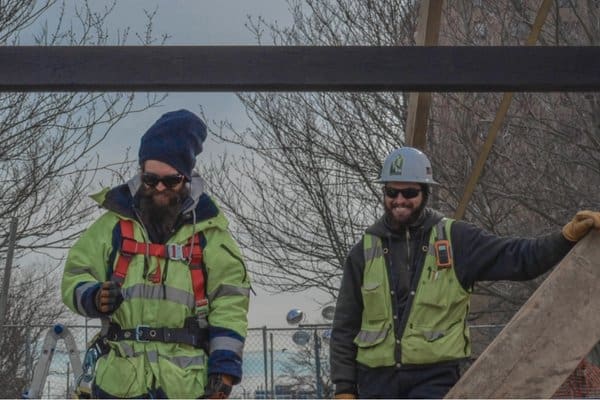
Ecotone’s approach is grounded in construction. Our understanding of amenity systems developed through building them, coordinating trades, resolving field conditions, and delivering performance under demanding environmental requirements.
This perspective allows Ecotone to engage a trusted network of specialists within a unified delivery structure, with clear technical leadership and defined system interfaces.
For the Project Team
• One accountable entity across complex amenity systems • Reduced coordination burden during design development • Clear interface definition with base building architecture • Continuity from design documentation through construction.
Outcome
Integrated amenity systems perform as architecture: technically coherent, experientially unified, operationally durable, and constructed with clear responsibility.
High-Rise Context
Building spa, pool, and fitness environments within high-rise buildings is a systems challenge.
Municipal regulation, vertical transportation constraints, structural loading, installation sequencing, waterproofing strategy, and life-safety integration must operate as a coordinated environmental system.
In large towers, complexity compounds quickly. Fragmented consultant-heavy teams often allow technical intent to erode under pressure.
Ecotone’s role is to maintain system coherence from design through construction.